
Episode 184
Ep. 184 - From Student to Instructor: A Journey in Taekwondo
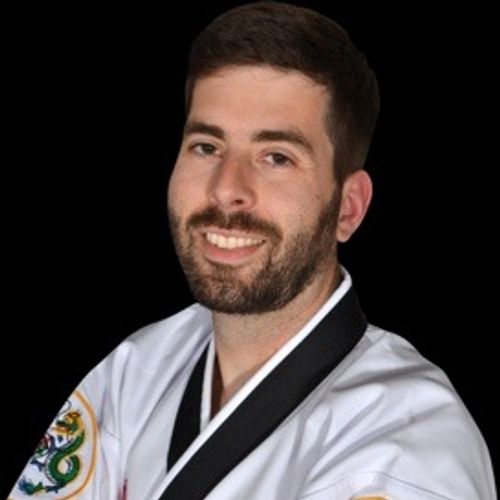
This podcast episode features an insightful discussion with Mr. Nathan Coglianese, our esteemed athlete of the week, who is not only a fifth-degree black belt but also a dedicated instructor within the ATA community. Mr. Coglianese shares his journey from an uncertain beginner to a seasoned martial artist, illustrating the profound impact that perseverance and self-discipline have had on his life. He emphasizes the importance of personal growth and the sense of responsibility that accompanies the role of an instructor, particularly in fostering the development of his students. Furthermore, the episode highlights upcoming events and training opportunities, including the much-anticipated Spring Nationals, underscoring the vibrant community spirit within the ATA. Join us as we delve into the experiences and aspirations of Mr. Coglianese, who embodies the essence of martial arts beyond the belt.
Takeaways:
- The ATA Nation podcast provides valuable insights into the martial arts community and its events.
- We discussed the importance of instructor-student relationships and their impact on martial arts education.
- Mr. Coglianese shared his personal journey in martial arts, emphasizing the significance of perseverance.
- The episode highlighted upcoming events and training opportunities within the ATA organization.
- We explored the role of martial arts in fostering respect and discipline in daily life.
- The podcast emphasizes the continuous pursuit of improvement and the importance of helping others in martial arts.
Transcript
From student to instructor to athlete of the week, let's get started.
Speaker A:Welcome to the ATA Nation podcast.
Speaker A:Instructors, students, parents, family members, masters of Songam Taekwondo.
Speaker A:Welcome back to the ATA Nation Podcast.
Speaker A:I am thrilled to be back with you.
Speaker A:Your host, Senior Master Zach Hayden for episode one 184.
Speaker A:184.
Speaker A:The Ata Nation podcast.
Speaker A:It's a joy, It's a pleasure.
Speaker A:I hope you really enjoyed last episode where we talked all about, you know, how getting into stunts.
Speaker A:That was so cool.
Speaker A:I know I had one or two people reach out to me and mention that for some reason the episode got flagged as explicit, which is silly.
Speaker A:I don't know how that happened.
Speaker A:I think AI made a mistake.
Speaker A:I know it can happen.
Speaker A:Aaron makes mistakes.
Speaker A:It's crazy.
Speaker A:This week, though, we've got another awesome interview a little bit longer with our athlete of the week, because this is an adult athlete of the week, but also an instructor who's been in ATA for a very long time.
Speaker A:So I wanted to spend a little bit more time with Mr. Kaglinis this week.
Speaker A:And so we have that interview coming up.
Speaker A:But before that, I did want to mention, did you see at dropped the schedule events for Spring Nationals?
Speaker A:I am super excited.
Speaker A:I saw a couple of things on here that were, you know, brand new, a little different.
Speaker A:They're going to have some announcements.
Speaker A:We'll have Chief Master Skiles on.
Speaker A:There's a couple of things they're still haven't announced yet.
Speaker A:So there's a couple of new seminars sitting in here that I haven't.
Speaker A:They don't have titles or anything on them, but there's some neat stuff on here if you didn't check it out yet.
Speaker A:Legacy program enhancements.
Speaker A:A great PPCT with Chief Master or, excuse me, Grandmaster Crusoe.
Speaker A:What was I thinking?
Speaker A:Some great ATMX training, but I wanted to highlight.
Speaker A:I. I'm gonna have to ask some questions about this when we get to it.
Speaker A:There is.
Speaker A:Where did it go?
Speaker A:Oh, of course, the awesome empower.
Speaker A:The ATA women's only training experience, which is always pretty awesome.
Speaker A:I mean, they don't let me go, but that's what I've heard.
Speaker A:But, guys, a clash of B blades.
Speaker A:Gumdo combat.
Speaker A:I just saw this on here.
Speaker A:I don't know anything about it, but I'm going to do some research and I'm going to bring it back to you guys because that sounds crazy.
Speaker A:So we want to check that out.
Speaker A:Go over to atamartialarts.com, go to the spring national section, get it checked out.
Speaker A:Make sure you get your rooms, your travel arrangements, get all that set, get your competition registrations done.
Speaker A:And now sign up for your seminars because it will be here in no time.
Speaker A:Now let's get to our athlete of the week.
Speaker A:Atnation.
Speaker A:We have another awesome athlete of the week with us.
Speaker A:And this athlete, you know, one of the great joys is that I get to meet athletes from all over the place.
Speaker A:But this athlete I know.
Speaker A:So, Mr. Conglenese, how's it going today?
Speaker B:Great, sir.
Speaker B:How are you?
Speaker A:I am wonderful.
Speaker A:Introduce yourself to everybody and let them know where you're from.
Speaker B:Yes, sir.
Speaker B:My name is Nathan Coglanis, I'm a fifth degree black belt and my school is in Highland, Indiana.
Speaker A:Highland, Indiana.
Speaker A:Indiana.
Speaker A:The people in Indiana.
Speaker A:I'm just saying.
Speaker B:Yes, sir.
Speaker B:Love them all.
Speaker A:Yeah, of course.
Speaker A:Hoosiers.
Speaker A:So, hey, I don't know if I know this story at all.
Speaker A:So how did you get started in martial arts?
Speaker B:So I actually started when I was 7 years old, 28 now, so it's been quite a couple years, I guess.
Speaker B:Yeah, just a couple.
Speaker B:And I started because I was really bad at every sport.
Speaker B:I was athletic, but the skill portions terrible.
Speaker B:I played baseball for nine years.
Speaker B:Hit the ball once inside the park, home run.
Speaker B:I could only hit it once with a non regulation bat by the way.
Speaker B:So.
Speaker B:But we'll keep that between us.
Speaker A:Yes.
Speaker B:We won't tell everybody.
Speaker B:And you know, and I got a flyer that came home one day and I was like, ma, we gotta try it out.
Speaker B:She's like, all right, let's give it a go.
Speaker B:I cried for my first 10 classes, but I liked it.
Speaker B:So we kept going back and here we are 21 years later.
Speaker A:Okay, wow, what a neat, what a neat.
Speaker A:I mean, we have a lot of people come on and they're like, hey, my, my parents enrolled me because I needed confidence or I always wanted to be a ninja Turtle.
Speaker A:And I think for a lot of people who might know, you might have seen you, you know, team sparring, doing all kinds of great stuff, they would be a little surprised that you didn't do a bunch of, you know, were awesome in a bunch of sports.
Speaker A:So when you started martial arts, were you, did you have that same struggle at getting good at it or did something click that like martial arts was the thing you needed?
Speaker B:Oh yeah, no, I was, I, I was athletic, I could move fast, but I wasn't flexible.
Speaker B:I didn't have good body control.
Speaker B:But martial arts was the one thing where if I did a bad job, it only affects me.
Speaker B:And if I was doing a really good job.
Speaker B:Nobody else can stop that.
Speaker B:And so it was one of those very personal things for me where it was all on my shoulders, which is it, you know, a very preferred thing for me.
Speaker A:Yeah, no, I totally understand.
Speaker A:You don't have a team like yelling at you because you didn't do it right, or, you know, that's the wrong hoop, you shouldn't have shot it at that one or anything like that.
Speaker A:Right.
Speaker A:Okay, so now I think a lot of people would know that your, your mom is, you know, a martial artist as well.
Speaker A:So did she get started after you get got started then?
Speaker B:Yes.
Speaker B:Yeah, quite a while after I got started.
Speaker B:She's actually the reason I got my black belt because I could have been a black belt way earlier, but I didn't train hard enough, I didn't practice enough.
Speaker B:And so, you know, when she caught up to me in ranks, she pretty much just drugged me out to the garage and said, hey, let's get to work.
Speaker B:You failed four times already.
Speaker B:Let's move on.
Speaker B:I was like, oh, okay.
Speaker A:So, yeah, you don't want your mom passing you in rank.
Speaker A:That's not ideal.
Speaker B:No.
Speaker B:Now we're, we're twins.
Speaker B:Same time.
Speaker A:Yeah.
Speaker A:Are you guys gonna go do mastership together when it's that time?
Speaker B:Yes, sir.
Speaker B:That's the plan.
Speaker A:Excellent.
Speaker A:Okay.
Speaker A:How long ago did you get your fifth degree?
Speaker B:Three years ago.
Speaker B:I think I have two full seasons left or this season and then next season, then I'm done.
Speaker A:Okay.
Speaker A:27.
Speaker B:Yeah, yeah.
Speaker B:Yes.
Speaker A:I. Oh, cool.
Speaker B:Hopefully you can go for six.
Speaker B:Fingers crossed.
Speaker A:So do you test for six that year?
Speaker B:Yes.
Speaker A:Okay.
Speaker A:Maybe I'll go through chief master training when you got to go through master training.
Speaker B:Oh, that'd be cool.
Speaker B:Heck yeah.
Speaker A:27.
Speaker A:That's the plan.
Speaker A:We'll see.
Speaker A:We'll see.
Speaker A:Gotta do all the things.
Speaker A:So when.
Speaker A:What about tournaments?
Speaker A:When did you get started in tournaments?
Speaker A:Was that a thing you did right away or were you reluctant to do tournaments?
Speaker B:So when I first started in martial arts, we, we weren't in the ata.
Speaker B:Um, so, you know, it wasn't a great tournament circuit scene for me.
Speaker B:Um, I did a couple, you know, and unfortunately the program that I was in at the age of like 12, I was better than all of the kids my age.
Speaker B:So as one would do in an off brand martial arts organization, I fought adults, which was awesome.
Speaker B:You know, then at 15 is when we really switched over into the ATA and you know, I'm with Chief Master Barnum and Chief Master Shoop and they were like, if you want to try a tournament, try a tournament.
Speaker B:If you don't want to, don't.
Speaker B:And so I went to one, got obliterated.
Speaker B:Did not go well for me in any way, shape, or form because that was the highest level of competition I have ever faced.
Speaker B:And I'm pretty sure I got a concussion.
Speaker A:So you were like, you said 15.
Speaker B:15.
Speaker B:So you're like 15 to second.
Speaker B:15.
Speaker A:Second, yeah.
Speaker A:15, 16, 17, second.
Speaker A:Third degree division.
Speaker B:Yes.
Speaker A:Perfect one to just slip into that one.
Speaker A:No problem.
Speaker B:Absolutely perfect.
Speaker B:It caught a crescent kick to the head.
Speaker B:And for whatever reason, I was like, no, this is it.
Speaker B:This is what I'm going to do for the rest of forever.
Speaker B:Let's just not be bad at it.
Speaker A:Good plan.
Speaker A:Good plan.
Speaker A:So it motivated you to get going, train more, get.
Speaker B:Yes.
Speaker B:Excellent.
Speaker A:And then have you been basically hooked with tournaments since then?
Speaker B:Oh, yes, sir.
Speaker B:Yeah.
Speaker B:I rarely miss tournaments.
Speaker B:I try to go to as many events as I can.
Speaker A:What's your favorite event?
Speaker A:What's your favorite not event, like what.
Speaker A:Where you go, but thing to compete in traditional sparring?
Speaker A:Actually, that would have probably been my guess.
Speaker A:I think that would have probably been my guess.
Speaker B:I love traditional sparring.
Speaker B:I'm just better at combat sparring.
Speaker A:Hey, you know, it happens.
Speaker A:What?
Speaker A:What?
Speaker A:You know what?
Speaker A:It's nice though, sometimes.
Speaker A:You know, there was another athlete of the week I was talking to not long ago and that.
Speaker A:Something similar like that.
Speaker A:It's nice to have the thing that's your favorite, like, you're not the best at yet, because then you're always still like, I can still learn.
Speaker A:I can still be working.
Speaker A:Not that you can't have the thing you're best at, but.
Speaker B:It.
Speaker A:The motivation is higher when you're like, I'm getting angry.
Speaker B:Yes, sir.
Speaker A:Okay, so what about, like, events that might not be your top?
Speaker A:You know, what's your not favorite thing to do at a tournament?
Speaker B:Ooh, any creative and extreme event.
Speaker A:Okay.
Speaker B:I.
Speaker B:Not.
Speaker B:I'm not super great at it.
Speaker B:We could start there.
Speaker B:I. I could.
Speaker B:If I wanted to be, I could be like, mediocre.
Speaker B:Um, but based on the division that I'm in, which, you know, 18 to 29, fourth and fifth.
Speaker B:Don't want to touch that.
Speaker B:Um, and then also just the.
Speaker B:The regional competition.
Speaker B:I don't.
Speaker B:I don't feel like losing at every event.
Speaker B:Um, because it's not something that I grew up doing.
Speaker A:Yeah.
Speaker B:And it's not something that has ever really piqued my interest.
Speaker B:And so, you know, like, I'm Also not a big fan of traditional weapons, but that's what I grew up doing.
Speaker B:So I'm okay with losing at that.
Speaker B:That's something that.
Speaker B:It's fine.
Speaker B:It is what it is.
Speaker B:But no, Creative Extreme, not good at it.
Speaker B:I respect those guys so much because that is hard.
Speaker B:Their ability to perform at such a high level and be consistent like that is insane.
Speaker B:But that's not for me.
Speaker A:Yeah, well, you know what?
Speaker A:It's neat.
Speaker A:One of the things I love about all the competitions we have is that there is something for everybody and you don't have to be all about all of them, you know, so what?
Speaker A:Like, when you're.
Speaker A:Do you have students who do extremely creative do?
Speaker B:Yes.
Speaker A:And.
Speaker A:And how do you go about.
Speaker A:You know, I was just talking to somebody and they were talking about, you know, trying to help more people in their school in their area do extreme and creative.
Speaker A:And I. I mentioned it can be hard when you don't have someone at your school who is a.
Speaker A:Kind of pushes that angle mostly not because.
Speaker A:Not just because it's not seen as much, but they don't see it from somebody close to them.
Speaker A:You know, they.
Speaker A:They see, like, that awesome guy at a tournament, but then they're like, well, I can't be that guy.
Speaker A:So how do you.
Speaker A:How do you deal with that at your school?
Speaker A:How are you inspiring people who want to compete in those events?
Speaker B:So the big thing that we do is we try to connect them with that guy.
Speaker B:Right.
Speaker B:So we've had Chris Guerrero come to our school and teach about building a Creative Extreme form.
Speaker B:We've had Zach Hillstead come in, do a seminar as well.
Speaker B:I'm not so confident in my abilities that I'm not willing to admit that there are people that are way better at things than I am.
Speaker B:Creative Extreme is not my strong suit.
Speaker B:I can help with it, and I can kind of teach them how to do certain tricks, because I've been instructing for a long time.
Speaker B:And, you know, I tried some of those tricks before myself and looked up a lot of videos.
Speaker B:But when it comes down to it, I'm not the Creative Extreme guy.
Speaker B:But I've got friends that are.
Speaker B:And so I'm gonna reach out to them and I'm gonna.
Speaker B:You know, we've got a young girl who works with Mr. Guerrero regularly.
Speaker B:Cause she's not gonna be a spar.
Speaker B:She likes to Spar, but she's 10 and her.
Speaker B:I think her brother is like 7 and he's taller.
Speaker B:Oh, she's not.
Speaker B:She's not big but she's flexible, she's got the body control, she's got the attitude.
Speaker B:And so I could hold her back and give her my knowledge on it and have her get stuck at some point, or I can line her up with a world class instructor that's also phenomenal at that event.
Speaker B:And that's just what we're going to do.
Speaker A:And that's great.
Speaker A:I mean, what a good example of an instructor showing humility in saying, hey, I can help you to this level, but it's okay.
Speaker A:I want to hook you up with somebody to help you get better instead of being, you know, arrogant or being closed off and saying, oh no, no, you can't learn from anybody else.
Speaker A:I don't want.
Speaker A:We want our students to succeed.
Speaker A:That's what a good instructor does.
Speaker B:Yes, sir.
Speaker A:That's cool.
Speaker A:Okay, so what about you, your goals?
Speaker A:You know, we've got the end of this tournament season, maybe not even season wise, but regular training.
Speaker A:What kind of goals do you have in your martial arts journey?
Speaker B:So right now I've got two main goals that I'm focused on and they're both competition based right now because I'm almost done competing.
Speaker B:You know, in the masters division you can compete.
Speaker A:It's coming, it's coming more.
Speaker A:They're going to open it up.
Speaker B:They say, yes sir.
Speaker B:And you know, sometimes, sometimes though, it's.
Speaker A:Nice to have an excuse to be done competing.
Speaker B:Yeah.
Speaker B:You know, it's not that I don't love it, because I do, but there's always two things that I say about it.
Speaker B:Number one, I'm already in the hardest division in the ata.
Speaker B:The master's division is super skilled.
Speaker B:Don't get me wrong, any of those guys can, can kind of come down and, and keep up, compete or even win in the, the current division I'm in.
Speaker B:But their dedication is a little bit different, their ideas are a little bit different.
Speaker B:Maybe they're a little bit more focused on their instruction in their school, you know, or helping their 4th and 5th, 18 to 29 year olds winning.
Speaker B:Whereas, you know, right now for me my big focus is, you know, helping my students, obviously.
Speaker B:But I have to get myself better first.
Speaker B:I have to see if you know, what I'm doing works.
Speaker B:And so yeah, once I'm done in this division, unless there's a time and.
Speaker A:A place for everything.
Speaker B:Yeah, if A.J.
Speaker B:smith goes, you won't do it.
Speaker B:When he gets there, I'll be there.
Speaker B:I'll lose to him any day of the week.
Speaker B:So you know what I mean?
Speaker B:But Just stuff like that.
Speaker B:I won't be a regular competitor, but if, you know, someone's like, hey, come play.
Speaker B:Okay, like, twist my arm.
Speaker B:I still love competing.
Speaker B:I still love martial arts.
Speaker B:But if I could take that, you know, pressure off myself and just get to focus on my kids that are kind of coming up, that's something that I'd like to do.
Speaker B:Yeah.
Speaker B:But for my two big goals, I want.
Speaker B:I want to try for one more combat title, and then I want the thing that everybody else wants.
Speaker B:I want to try to win that sparring title, which, you know, that one's a little bit farther out of my reach, but I'm.
Speaker B:I'm working for it.
Speaker B:I'm putting in the effort for it, so if it.
Speaker B:If it works out, cool.
Speaker B:If it doesn't, I'm just going to be a good spar.
Speaker B:Oh, darn.
Speaker B:Like, it's the worst thing that's ever happened, you know?
Speaker A:What a pain, right?
Speaker A:Yeah.
Speaker A:Yeah.
Speaker A:Those are great goals.
Speaker A:And I love that attitude.
Speaker A:You know, I was recently talking to, oh, senior master Ross Lee, you know, and he just came back at world championships this last year to do some competition and more.
Speaker A:Not for the.
Speaker A:When I was talking to him, you know, like, obviously he wants to do well and whatever, but just you taking the time off and, like, getting back to working his own martial arts was, you know, something that was really great for him.
Speaker A:And I think there's a time and a place where you set down the, you know, the.
Speaker A:The gloves for a while competition and working to focus on some other things.
Speaker A:And it might be something that, you know, like, hey, I decide, okay, you go through the, you know, I'm in my 40s now, you know, go in my, you know, 50s.
Speaker A:And I'm like, you know what?
Speaker A:I want to go back in and.
Speaker A:And start kicking people again and.
Speaker A:And see how it is in.
Speaker A:In that new division.
Speaker A:So I love that, you know, focusing on our students is always something that's super important.
Speaker A:And I know you're not the kind of guy who's going to just sit around and not train, so it's.
Speaker A:It's.
Speaker A:We're not worried about.
Speaker A:Not worried about that.
Speaker B:Yes, sir.
Speaker A:Okay.
Speaker A:So, hey, as an athlete of the week, we always like to finish off with, what does it mean to you to be an athlete that goes beyond the belt?
Speaker B:Yes, sir.
Speaker B:You know, I think the big thing for me is recognizing that the things that we do aren't just because of martial arts or aren't just inside of martial arts.
Speaker B:There's a saying that's that goes that we have one life.
Speaker B:Right.
Speaker B:And it doesn't matter if I have a Taekwondo belt on, if I'm in my uniform or if I'm just walking, you know, out in the street, you know, my goals always stay the same.
Speaker B:And the biggest one that I have is always to try to help as many people as I can.
Speaker B:Now is the best way for me to do that through martial arts.
Speaker A:Sure.
Speaker B:But what about those little interactions that we have day to day?
Speaker B:You know, letting somebody merge over, holding that door for somebody, maybe that's a little bit that.
Speaker B:That weird distance where they kind of got a walk run, you know, just the little things like that, you know, I think go a long way.
Speaker B:And I think those are what show, you know, respect and discipline and, you know, all of the life skills that we teach.
Speaker B:More so than those big gestures.
Speaker B:It's the things that we do without having to think about it.
Speaker B:I think that, you know, mean the most to me as far as going beyond the belt goes.
Speaker A:Yeah, I love that.
Speaker A:I love that.
Speaker A:One of my, one of my favorite quotes and I have no idea who said it first, but the way you do anything is the way you do everything.
Speaker A:Those little, those little things that you do make a big impact.
Speaker A:So.
Speaker A:Hey, sir, Congratulations on being an athlete of the Week and thanks so much for your time today.
Speaker B:Yes, sir.
Speaker B:Thank you guys very much.
Speaker B:I, I had a lot of fun with this and I appreciate the opportunity.
Speaker A:If you've met Mr. Kakalinis, you know, he's a great guy.
Speaker A:It was awesome to talk to him.
Speaker A:Awesome Athlete of the Week.
Speaker A:We're thrilled to have him on the show.
Speaker A:Now, I would be remiss after mentioning Spring Nationals if I didn't mention some of the other tournaments and training opportunities going on across the country this month.
Speaker A:So here in January, don't miss the Class A in Memphis, Tennessee.
Speaker A:This is always a big one with Chief Master Stevens and Senior Master Rosa.
Speaker A:I know they do some fun team training there at that event usually too.
Speaker A:That is January 16th and 17th.
Speaker A:On January 23rd and 24th, that weekend, Sioux Falls, South Dakota's got a Class B. Santa Rosa, California, it's got a Class B.
Speaker A:And Frankfurt, Kentucky has a Class B as well.
Speaker A:Don't miss out on those awesome events and training events.
Speaker A:ATA International Headquarters has the Legacy Member training the 10 class management skills on January 31st.
Speaker A:Don't miss that.
Speaker A:If you are a legacy facilitator and you need to recertify, that is also going to be available February 6th.
Speaker A:So don't miss it.
Speaker A:Okay, those are training opportunities coming up.
Speaker A:They are going to be excellent and you don't want to miss or of course our tournament opportunities coming up as well.
Speaker A:Always head over to ATA martial arts.com and check out the Events tab.
Speaker A:Also, stay up to date on all the social medias.
Speaker A:Make sure that you are subscribed to the ATN Nation podcast on YouTube, the ATA's YouTube page, as well as your favorite podcast feed.
Speaker A:That's going to wrap it up for this episode.
Speaker A:We'll see you back here next week.
Speaker A:Get out there.
Speaker A:Be a champion.
Speaker A:Beyond the Belt ATA Nation Podcast Be.
Speaker B:Sure to subscribe and share with your ATA family.