
Episode 199
Ep. 199 - Inspiring Triumphs: A Journey Beyond Limitations
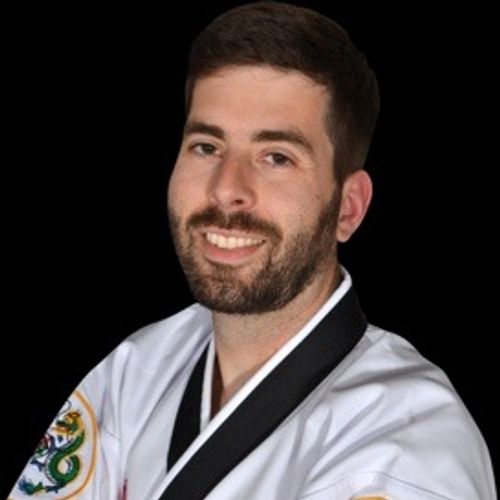
This episode features two remarkable individuals whose stories exemplify resilience and capability despite unique challenges. Notably, Mrs. Jessica Cox, an individual born without arms, shares her inspiring journey of mastering martial arts and becoming the first pilot to fly using only her feet. Through her experiences, she emphasizes the importance of adaptation and perseverance, demonstrating that obstacles can indeed be transformed into opportunities for growth. Additionally, we converse with Ryan Young, a dedicated martial artist who has returned to the discipline after a significant hiatus, showcasing the vitality of lifelong learning and the pursuit of excellence in martial arts. Together, their narratives serve to motivate listeners to embrace challenges and strive for personal excellence, regardless of the circumstances they face.
Takeaways:
- In this episode, we engaged with remarkable individuals who shared their unique experiences.
- Our guest, Mrs. Jessica Cox, has notably excelled in martial arts despite her unique physical circumstances.
- Jessica's journey emphasizes resilience, as she learned to adapt and thrive without arms from birth.
- The discussion highlighted the importance of confidence and creativity in overcoming life's challenges.
- We explored the significance of martial arts in Jessica's life, including its role in boosting her self-esteem.
- The podcast emphasized the mantra 'think outside the shoe,' encouraging innovative problem-solving in adversity.
Links referenced in this episode:
Transcript
In today's episode, we've got some awesome adults.
Speaker A:Let's get started.
Speaker B:Welcome to the ATA Nation podcast.
Speaker A:Parents, students, instructors, masters of song on taekwondo.
Speaker A:Welcome Back to the Ata Nation podcast.
Speaker A:This is episode 199.
Speaker A:199, Guys.
Speaker A:My thought was to do something amazing for episode 200, but I just not sure it's gonna happen.
Speaker A:We're gonna see.
Speaker A:We'll see.
Speaker A:There's so much going on.
Speaker A:So much going on.
Speaker A:Anyways, we have a.
Speaker A:A full, like, extra full episode for you today, so I want to get right to it.
Speaker A:We've got two amazing adults that we're going to be talking to today.
Speaker A:Our athlete of the week, and then a very special guest with us as well.
Speaker A:So let's get right to the interviews.
Speaker A:At Nation.
Speaker A:I am super excited to have a really, really fun guest with us today.
Speaker A:Hey, ma', am, can you introduce yourself for at Nation?
Speaker C:Yes, sir.
Speaker C:My name is Mrs. Chamberlain, or publicly miss Mrs. Jessica Cox.
Speaker C:Some people know me as my maiden name.
Speaker A:And a lot of some of ATA Nation might remember you from an old world championships we were just talking about before we clicked record.
Speaker A:I still mention you in some of our classes when we're talking about certain things probably.
Speaker A:I think the thing that we should lead off with is what makes your situation a little unique that somebody might not realize right away.
Speaker C:Well, people, if they were to be right in front of me, would realize that I don't have two things that most people do have, and that's arms.
Speaker C:I don't have arms or hands to the shoulders, and that's exactly how I was born.
Speaker C:I don't know any different, but it is rare that you run into someone without arms.
Speaker A:Yeah.
Speaker A:So this was a.
Speaker A:From birth, it was just a.
Speaker A:It just happened, you know, the way these things kind of happen when you were born.
Speaker A:What.
Speaker A:Just give us a little overview because I want to get into some of the amazing things you've done and how, you know, you've just thrived with this unique situation.
Speaker A:But give us a little like, what was it like growing up?
Speaker C:Well, as you can imagine, it was probably for people who have arms and hands, it's really hard to even envision what life would be like without them.
Speaker C:And so that's why I always have to really make sure it's very clear that I started from the very beginning.
Speaker C:This fluke medical thing happened.
Speaker C:There's still no reason to this day as to why my arms never developed.
Speaker C:My mother didn't even take an aspirin during her pregnancy, so nothing was off on the pregnancy.
Speaker C:I just came out the way I did.
Speaker C:And because this is my normal.
Speaker C:Because it's all I've ever known.
Speaker C:Development as a child was like any other baby or toddler or young child.
Speaker C:I just used my feet in place of hands and.
Speaker C:And while some things were a little bit more challenging because you have to walk on your feet, and at the same time I was using my feet like hands, there were some things that we had to really get creative with.
Speaker C:But it was so natural for me to pick up.
Speaker C:I mean, when I was like maybe two and a half years old, I picked up a ballpoint pen and I unscrewed this pen and then I put it back together.
Speaker C:And my uncle was just so impressed that I could have the dexterity in my toes to do that.
Speaker C:But that was because this was from birth.
Speaker C:I had all those years of development to develop those skills, to adapt.
Speaker A:You just learned it like it was.
Speaker A:That's the way it was going to be.
Speaker A:It's.
Speaker A:It's just normal.
Speaker A:Have you.
Speaker A:Have you met other people who have been in similar situations?
Speaker A:Is this the.
Speaker A:The way they've developed as well?
Speaker A:I'm sure it's not super common to.
Speaker C:Run into, but yeah, it's not common.
Speaker C:I mean, naturally I would.
Speaker C:I was very interested in knowing, is there anyone else out there in the world like me?
Speaker C:Because we all want that commonality and understanding.
Speaker C:And who says I know exactly what it feels like?
Speaker C:We seek that out.
Speaker C:So the chances I was told of being born without both arms are one in a hundred thousand.
Speaker C:So it's not as rare as it may seem.
Speaker C:And so there are a few of us out there.
Speaker C:And I've made a community of women and men, children and adults, all born similar to myself, all who've learned to use their feet similar to myself.
Speaker C:And surprisingly, I can probably count close to a hundred over the years that I've met at some point or another.
Speaker C:And it's not as rare as it may sound.
Speaker A:Wow.
Speaker A:Well, okay, I want to dive in.
Speaker A:I've got some questions about that.
Speaker A:But I want to first kind of show people what you've done, then what you've accomplished with this unique situation.
Speaker A:I watched you do the single song form at world championships, which I still talk about now.
Speaker A:And to tell people, you know, when they're like, oh, I'm having trouble with this.
Speaker A:I'm like, suck it up.
Speaker A:I watched a lady do this with her feet.
Speaker A:So you're fine, you can do it.
Speaker A:What got you into martial arts?
Speaker C:I actually was at a public park in the small town in Arizona where I was just regularly playing like any other kid.
Speaker C:And all of a sudden a little kid comes up to me, and the kid doesn't have any legs.
Speaker C:And we're like, whoa.
Speaker C:My mom and her mom hit it off right away because both kids are unique in that sense.
Speaker C:And my mom asked her, you know, what are you doing activities for your daughter?
Speaker C:And she says, well, I have her in taekwondo.
Speaker C:And so my mom got this bright idea, why don't I bring all my kids to taekwondo?
Speaker C:And that started the chapter.
Speaker C:At the age of 10, I started Taekwondo and decided that this was a great way for me to channel out my sometimes having anger and frustration about my situation and be able to kick, because I did kick a lot, so why not do it in the right way?
Speaker C:And it was.
Speaker C:It was kind of a good match.
Speaker A:That's.
Speaker A:That's fantastic.
Speaker A:And have you continued your martial arts training?
Speaker A:I know you've been busy flying through the skies and doing all that kind of stuff.
Speaker A:I know your husband is an active martial artist.
Speaker A:Have you continued?
Speaker C:Yes, I, you know, I met my husband, Mr. Chamberlain, through ATA martial arts when we were together in Marana, Arizona, and he was at the time co instructing with a good friend of mine that I was in college with, who earned her black belt about the same time that I did.
Speaker C:And basically she and him were instructing.
Speaker C:And I walked into the school, and that's how we met was through the school.
Speaker C:Of course, you don't date your students, so it wasn't appropriate, though we were the same age, so we waited until he was at a different school, and things were okay that way in a different city.
Speaker C:And, you know, here we are going on 14 years next month.
Speaker A:Wow, what a story.
Speaker A:Not only, you know, getting involved with martial arts, but then finding your spouse there.
Speaker A:That's fantastic.
Speaker A:Now, the.
Speaker A:Let me.
Speaker A:Let me go back for a second.
Speaker A:And, and just the, the mentality, you know, you've met a lot of people in the same kind of situation.
Speaker A:I would guess that there is a wide spectrum, just like everybody else, of people who are more positive about things and more negative about things.
Speaker A:And in hard times, you know, when you're a more maybe glass half empty person, things can be worse.
Speaker A:And then glass half full.
Speaker A:Are you the kind of person who just like, hey, here's a challenge.
Speaker A:I'm going to do it.
Speaker A:Is.
Speaker A:Are you more a glass half full kind of person?
Speaker C:Yeah.
Speaker C:I mean, really being born this way, it was almost like a muscle that I had to develop that, everyone has figure out a way to do it.
Speaker C:No excuses, just go out there, come up with a solution.
Speaker C:And because the world wasn't built for someone without arms and hands, essentially I had to adapt to finding those ways.
Speaker C:And so it carried through in everything in life.
Speaker C:It carried through into Taekwondo.
Speaker C:How would I do a front punch?
Speaker C:And so a knee strike, suddenly substitution would have to replace that.
Speaker C:And for every movement that requires arms and hands, we had to, with the help of some amazing instructors, some students, and a lot of input from others in ata, we were able to substitute every movement that requires the hand and arm with an equal kick that could do the same function, essentially, or as close as we possibly could do it.
Speaker A:Well, that's super cool.
Speaker A:I know.
Speaker A:I believe that demo at World Championships included some of the first degree form as well.
Speaker A:I remember seeing some of that.
Speaker A:And I think it's one of the things ATA has thrived at is trying to make sure that we have adaptive forms, we have our special abilities competition, and then now a partnership with Special Olympics.
Speaker A:Was your.
Speaker A:What kind of things did you benefit from in your martial arts training as you were going through that might have assisted with your situation, or maybe things that you had learned and done and built that muscle earlier on that you brought to martial arts when you came?
Speaker C:Well, one of the things I will really attribute to my journey in ATA and Taekwondo is that I came in very insecure.
Speaker C:I would look down a lot.
Speaker C:I would always be self conscious.
Speaker C:I was just like, my eyes would always drop to the floor.
Speaker C:Now, I don't know if that was because I was always just watching my steps to ensure I didn't fall because I didn't have the arms to catch myself.
Speaker C:But part of it was also because I was so insecure about my difference and the confidence was incredibly low.
Speaker C:And as I journeyed through Taekwondo, I just remember my instructors would say, look up, keep your eye level up.
Speaker C:That's part of the defense and such.
Speaker C:And that started to train me to start to elevate my eye level so that I wasn't always looking down and that I could look out and confidently do so.
Speaker C:Because when you are looking out, you're looking more confident, you're feeling more confident.
Speaker C:So that journey and confidence was in huge, in part due to Taekwondo.
Speaker A:That's super cool.
Speaker A:And now you're out there, I know you do speaking and you do different kinds of things.
Speaker A:So I'm sure that probably was something that helped and benefited as you were moving into those other areas.
Speaker C:Oh, yes.
Speaker C:It just it set me up for life, essentially, for how did I want to tackle any adversity that came my way?
Speaker C:Whether it was becoming a pilot and doing this without arms, becoming the first pilot to fly a plane with her feet, whether it was scuba diving or learning to surf or, you know, all.
Speaker C:I mean, the list goes on.
Speaker C:But those are just three examples.
Speaker C:And it was definitely something that really helped stay with me on not only the confidence level, but the figuring things out, finding a way and that which we all have in us.
Speaker C:It's a muscle and building that and strengthening it.
Speaker A:I think that's key, making sure that it's something you're strengthening.
Speaker A:So not only, you know, you became a black belt, you know, did martial arts, but then you were like, ah, you know, why stay on the ground?
Speaker A:The ground is boring.
Speaker A:You decided flying was something that you wanted to do.
Speaker A:What was that?
Speaker A:What made that decision?
Speaker C:I have always said to never let fear stand in the way of an opportunity.
Speaker C:And I was terrified of flying and my profession as a speaker, motivational speaker on stage.
Speaker C:Now, 29 countries around the world and audiences as large as 40,000 people, I have to live out what I say, speaking on a stage.
Speaker C:So it was like I needed to conquer this great fear of mine, flying.
Speaker C:And in order to do so, I had to become a pilot.
Speaker C:And it was just like, tackle your fear.
Speaker C:And it felt so empowering to do so.
Speaker C:And it has changed my life.
Speaker A:Okay, I. I've got it now.
Speaker A:I think most people would start and be like, can.
Speaker A:Can someone without arms even drive a car?
Speaker A:And then, you know, then there's the process of.
Speaker A:Of learning to fly.
Speaker A:I'm assuming there are.
Speaker A:Let's start with driving.
Speaker A:Is it a normal thing that people set up systems in cars to make sure that they're driving and.
Speaker A:And able to do that?
Speaker A:You know, is that just a normal part?
Speaker C:Modified driving is every day, not just for my unique challenge of not having arms, but for someone perhaps who's in a wheelchair and has paralyzed legs, or someone who had polio and doesn't have access to one leg, or a quadriplegic, or someone who has a unique.
Speaker C:There's different ways to modify a vehicle.
Speaker C:To state for the record, I have no modifications whatsoever on my automatic vehicle.
Speaker C:It is an automatic.
Speaker C:So there you go.
Speaker C:I guess that is so.
Speaker C:There is nothing that is different about my automatic car.
Speaker C:I just drove in this morning for this interview because I left to go get a coffee and I came in and I just had one foot, you know, plopped up there on the wheel, the right foot steering, and the left foot alternating between accelerator and brake like most people do with their right foot.
Speaker C:And I'm just handling this car.
Speaker C:It's an suv.
Speaker C:Just drove in, drove through the drive through, got my coffee through the drive through.
Speaker C:Which, by the way, the lady, the barista was very impressed, which is usually the case when I pull up to a drive through.
Speaker C:It's always an experience to see how they react.
Speaker C:And then I drove home, and here we are, and I just.
Speaker C:I didn't think twice about it.
Speaker A:Okay, have you.
Speaker A:I mean, I don't need to know why necessarily, but you ever been pulled over?
Speaker A:What's the police officer say?
Speaker A:Like, is that a.
Speaker A:A shock to them?
Speaker C:Very appropriate.
Speaker C:There was a police car behind me on the way home.
Speaker C:I was like, I gotta get home to the studio to record this.
Speaker C:And then I, you know, you look in your rearview mirror and I'm like, oh, my goodness.
Speaker C:From afar, I could kind of make it out because the colors.
Speaker C:And I'm like, ooh, this is.
Speaker A:Adrenaline's not good.
Speaker C:Not good.
Speaker C:Did I step on the gas too much here?
Speaker C:And so I'm, you know, I'm thinking in my head.
Speaker C:And of course, the other thing I have to think about is, wow, how this person gonna take it if they do pull me over.
Speaker C:Because it's always like, they play it cool, to be honest.
Speaker C:Like, they've seen this time and time again.
Speaker C:On occasion, if I do get pulled over, for whatever reason, whether it's a tag or something else, they will say, you know, I'm curious, but, I mean, in all my years of driving, that was one time where the police officer said, I'm very curious.
Speaker C:How does this work?
Speaker A:Yeah, that's.
Speaker A:I wondered.
Speaker A:I mean, it's just probably not something they run into all the time.
Speaker A:And just even being like, is this okay?
Speaker A:Is this.
Speaker A:Are they allowed to do this?
Speaker A:They must cover it in police school somewhere.
Speaker A:I guess.
Speaker C:I guess as long as I provide them a driver's license, you can't really argue with that.
Speaker A:That's true.
Speaker A:That's true.
Speaker A:The BMV takes care of all that.
Speaker C:Yeah.
Speaker A:Which I'm sure was another interesting trip to the bmv.
Speaker C:Yes, for sure.
Speaker A:Okay, so now let's get to.
Speaker A:Let's get to flying.
Speaker A:So I'm guessing where driving is a normal like this, there are systems and things set up for getting a license and having adapted vehicles and stuff.
Speaker A:I'm guessing that's not probably the case for planes.
Speaker C:That's true.
Speaker C:But also, there are some modifications out there.
Speaker C:And the more I've been in this aviation world, I learned that there are more and more or people who are creating them as we speak.
Speaker C:So there are no limitations if you're creative enough.
Speaker C:Yeah, there are certain, you know, hoops you have to get through to do this process, but it's really about being persevering through it.
Speaker C:But the airplane that I fly, again, no modifications.
Speaker C:It's a standard.
Speaker C:I will say it isn't a vintage plane and because of its vintage design from the 30s, built in the 40s and it is unique and different from most airplanes that you would see out there.
Speaker C:For one, you can fly this plane with two limbs.
Speaker C:And as a result, me not having arms, I could still fly this unmodified with my feet on the controls.
Speaker C:So it is a unique plane in that sense, but it is not modified.
Speaker A:Wow.
Speaker A:Okay, so the vintage plane, this is made in the 30s and 40s.
Speaker C:Did you say designed in the 30s, built in the 40s?
Speaker C:Yes.
Speaker A:Okay.
Speaker A:I don't, I don't even want to.
Speaker A:Why in a plane that's been that long ago, that seems scary enough.
Speaker C:True, and I get you there.
Speaker C:But it also, there's something that's incredible about older airplanes is they are made to last and they have taken a number of hard landings, let me tell you.
Speaker C:Compared to some, perhaps.
Speaker C:So really they're pretty strong, heavy duty little planes.
Speaker C:And surprise, surprisingly, they're still flying out there.
Speaker C:All over the place there, you know, there are people trying to keep these planes flying to keep history alive and celebrate the design.
Speaker C:It's not really like, you know, cars.
Speaker C:You know, you want to get the most modern car.
Speaker C:But then there are those people who love vintage cars.
Speaker A:So yeah, we've got a vintage car show here in town and they love to bring out their old cars.
Speaker A:So it's probably a little harder to have a vintage airplane show, but I'm sure they exist out there.
Speaker C:Yeah, that's true.
Speaker A:Okay, so you just, you're.
Speaker A:If I, if I saw this right, you're getting inducted into a hall of fame.
Speaker A:What hall of fame is this?
Speaker C:The Pima Air and Space Museum here in Tucson, Arizona has a hall of fame for aviators.
Speaker C:And they are inducting me in to the hall of fame here in less than a month on May 15, I'll be there at Pima Air and Space Museum for the ceremony and be inducted in.
Speaker A:And you're being inducted for being the first pilot, no arms to fly a plane.
Speaker A:Is that the title?
Speaker A:What's the specific yes.
Speaker C:And also because of the unique story, but also the contributions that we.
Speaker C:Because there's a team of us that are using.
Speaker C:The fact that I fly with my feet, that I have a unique situation where we do need to modify things, and we are using it in a way to inspire and to really pave the way in aviation, and so that those actions are also taken into consideration for this hall of fame.
Speaker A:That makes perfect sense.
Speaker A:Inspiring others, creating this pathway, or, you know, it's like one.
Speaker A:You know, whenever somebody does something new first, then other people start to see, like, wait, maybe I could do this.
Speaker A:You know, maybe I can go out and try this thing.
Speaker A:And I think one of the things that inspires me so much about your story and the way that you have talked about building this muscle is that it seems to me that too often these days, and I think this is something that ATA is pushing against.
Speaker A:You know, what we're doing with the way we train leaders and instructors and things is pushing against this idea that everybody needs to adapt to me.
Speaker A:You know, everybody needs.
Speaker A:Oh, I have this issue.
Speaker A:Oh, I have this thing.
Speaker A:I have this.
Speaker A:You need to.
Speaker A:Where we have to build the determination.
Speaker A:We have to build the.
Speaker A:The discipline and the confidence to figure it out, find a way to do it.
Speaker A:So what would you tell, you know, anybody out there, whether it's.
Speaker A:It's just something they're struggling with mentally, whether they have a physical disability or a, you know, just something.
Speaker A:A lot of times people are just a life situation, you know, that that is hard.
Speaker A:What advice would you give somebody in building that muscle of.
Speaker A:Of figuring it out and persevering?
Speaker C:Well, I have an easy way to have people remember this because we want to, you know, remember the phrases and such.
Speaker C:Everyone knows the phrase think outside the box.
Speaker C:Well, I have a phrase, think outside the shoe.
Speaker C:And that's what we have to be able to do, is to sit back and say, you know, it doesn't have to be done the way everyone else has done it before.
Speaker C:It doesn't mean that we have to do it that way.
Speaker C:We can go about this in a different way.
Speaker C:We'll have the same results, but we're going a different path.
Speaker C:And that's okay.
Speaker C:That's good.
Speaker C:That's actually stretching creativity and innovation, and there's all that can.
Speaker C:You know, there's just a whole bunch of good things that come from that, for sure.
Speaker A:If somebody wants to just find out more about you, to follow your journey, to see what's going on in your world, where would they go to Kind of check that out.
Speaker C:You can go to jessicacox.com and our recent goal here, which is theimpossibleairplane.com is something that we're about ready to introduce to the world, is building an airplane.
Speaker C:And that will be revealed the summer.
Speaker C:This summer, which is.
Speaker A:Oh, really?
Speaker A:Yeah, because you're building an airplane.
Speaker C:We, a team of people have been building it over the past five years.
Speaker A:Wow.
Speaker C:And finally we're on the home stretch.
Speaker A:I don't know which one's scarier to me.
Speaker A:Flying in a plane from the 40s or flying in a plane that, you know, just a bunch of people got around and built together.
Speaker C:You call it experimental.
Speaker A:You know what, I'll tell you.
Speaker A:When I was little, I would.
Speaker A:My brother and I, we'd drive our bikes through town and there was a place next to the library that had a garage.
Speaker A:It was like a.
Speaker A:It was a building.
Speaker A:Ended up being a Sears building for a while.
Speaker A:And in the garage we drove by and the garage door was open and there was a plane inside.
Speaker A:There was a guy building a plane inside.
Speaker A:And we were like, whoa, that's later on, as I got older, I actually rented that building from the guy who was building the plane.
Speaker A:And that's where my TA school is now still.
Speaker A:He built a plane.
Speaker A:He flew his own plane that he built.
Speaker A:And I think it's in a local museum here around the Indiana, Michigan area because of that.
Speaker A:But I totally remember him doing it.
Speaker A:It scares me.
Speaker C:That's pretty awesome.
Speaker C:That little piece of history with your.
Speaker C:The school there.
Speaker A:I know.
Speaker A:Pretty crazy.
Speaker A:So your build, you guys got this plane going.
Speaker A:You're going to unveil it.
Speaker A:Is there going to be a big like first fly event?
Speaker C:You know, we have to do the first flights with a test pilot because they're obviously experience if anything were to go wrong, you know, hopefully everything does go okay, but they are prepared for anything.
Speaker C:So we do have test pilots that have to do those first flights and that's anticipated in July.
Speaker C:And it's exciting thought.
Speaker C:I mean, we'll be there.
Speaker C:I mean, we might be on the ground, but it would be so cool to see.
Speaker A:That would be super cool.
Speaker A:And you are out speaking, you know, inspiring people as well.
Speaker A:And people can check that out on your website as well, right?
Speaker C:Yes, please.
Speaker A:Jessica Cox.com Fantastic.
Speaker A:Well, ma', am, thank you so much for your time.
Speaker A:I'm going to find a video of that world championships thing and we'll put it in the show notes for the episode as well so people can check you out in some of your martial arts journey.
Speaker C:Thank you, sir, very much for having me.
Speaker A:Click.
Speaker A:ATA Nation.
Speaker A:Super excited to have our athlete of the week.
Speaker A:And I get to do a in person interview.
Speaker A:This doesn't happen all the time.
Speaker A:Introduce yourself for us, sir.
Speaker B:Hi, everyone, I'm Ryan Young.
Speaker B:I'm a third degree black belt from Pickerington Elevate in Ohio.
Speaker A:We've definitely heard of the Pavlix and the awesome program they have over there.
Speaker B:It is fantastic.
Speaker A:So what we were just talking before we.
Speaker A:We hit record about your kind of origin story, how you started in martial arts.
Speaker A:So give us a little rundown of what when you first got into martial arts.
Speaker B:This is going to age me a little bit.
Speaker B: I started in: Speaker A:Okay.
Speaker B:And it actually holds significance because it was when the first Batman movie came out.
Speaker B:And clearly I'm a fan.
Speaker A:Yes, you're a Batman.
Speaker B:I'm known as Batman in the ata.
Speaker A:Okay, wait, before we continue, same day,.
Speaker B:First lesson and saw the movie.
Speaker A:What.
Speaker A:Who is the best Batman?
Speaker B:I would have to say OG Michael Keaton.
Speaker B:Okay.
Speaker B:Followed closely behind probably.
Speaker A:Christopher.
Speaker A:No Christian Mail.
Speaker A:Good.
Speaker A:Okay.
Speaker B:I like the more grounded Batman.
Speaker A:Yes.
Speaker B: ,: Speaker B:Saw the movie with my dad, and then took my very first lesson at taekwondo.
Speaker A:You went from watching a superhero to being a superhero.
Speaker B:And clearly it is stuck all these years.
Speaker B:Yes.
Speaker B:Yes.
Speaker A:So that wasn't an ATA school, though.
Speaker B:That was back before it was back.
Speaker B:World Taekwondo Federation.
Speaker B:I grew up in Northeast Ohio and it was just.
Speaker B:I was scrawny, I was asthmatic, and I needed something, something, something.
Speaker B:And it was my escape.
Speaker B:I was.
Speaker B:I lived at the.
Speaker B:At the Dojon.
Speaker A:Yeah.
Speaker B:I was there probably five, six days a week.
Speaker B:And I did it all the way up through college.
Speaker A:Through college.
Speaker A:And you did it.
Speaker A:You said you were on a college team, right?
Speaker B:Yes, I. I was fortunate enough to be a member of the.
Speaker B:The taekwondo team for Ohio State University.
Speaker B:That was back in the days when it was the full contact Olympic style.
Speaker C:Yeah.
Speaker B:Where we didn't wear face shields.
Speaker A:Nope.
Speaker B:And we barely had pads in our hands or feet.
Speaker A:Yeah.
Speaker A:Okay.
Speaker B:So I am very thankful for the face shields that we have today, I'm sure.
Speaker B:Yes.
Speaker B:Yes.
Speaker A:Especially because you're not.
Speaker A:You're not 20 anymore.
Speaker B:No, I'm not 20 anymore.
Speaker A:So you took some time off.
Speaker B:I did after graduation.
Speaker B: Graduated in: Speaker B:Had a family, took about 20 years off.
Speaker B:And when my son was 3, we got him started at ATA with the Pavlovsk.
Speaker A:Okay.
Speaker B:And I wanted him to have his own experience to himself.
Speaker B: he itch that was in Worlds of: Speaker B:And I sat down and asked him if it was okay that, that dad started back.
Speaker B:And he said absolutely.
Speaker B:And it was, it was a great first year back.
Speaker A:Wow.
Speaker A:So.
Speaker A:So he went about 10 years in martial arts before you jumped back in.
Speaker B:Correct.
Speaker A:Okay.
Speaker A:That's a long time.
Speaker B:There's, there was a little bit of self control to not want to jump.
Speaker A:I was gonna say that seems like.
Speaker B:It'd be tough, but at that time I was probably about £215.
Speaker B:I was loving donuts more than anything else.
Speaker B:And now I'm down to 173.
Speaker B:Feeling much better.
Speaker A:Batman shape.
Speaker B:Absolutely.
Speaker A:There.
Speaker A:Okay, so then you came back and you got red letters.
Speaker B:First year back.
Speaker B:First year back.
Speaker B:Okay, I won in Extreme Forms.
Speaker B:And big surprise, it's a Batman themed form.
Speaker C:No.
Speaker A:Now.
Speaker A:Okay, you came back and you did Extreme Forms then as the.
Speaker A:That's the red letter.
Speaker A:I'm sure you're.
Speaker B:That was the red letter.
Speaker B:Yes.
Speaker A:I'm guessing you didn't have any real, like Extreme Forms was probably somewhat new to you from what you did in wtf.
Speaker B:So in wtf.
Speaker B:We did do some of that.
Speaker B:I will say what was most foreign to me was combat because it sparring was just traditional.
Speaker A:Yes.
Speaker A:So, so extreme creative.
Speaker B:Yes.
Speaker A:A little bit new.
Speaker B:Had a little bit of background in it.
Speaker B:I've always enjoyed doing creative things.
Speaker B:I do art.
Speaker B:I, I have a cricket.
Speaker B:I do, you know, I, I, I paint shoes.
Speaker B:I do like a lot of creative.
Speaker A:Stuff so that it came a little natural.
Speaker B:This was nice to be able to piece something together, splice my own music, have, have kind of a different sort of a theme from everybody else.
Speaker B:Yeah, it was, it was novel.
Speaker B:And the, the Robert Pattinson movie had just come out that year too.
Speaker B:So it was like, it was fresh and it was relevant.
Speaker B:So it worked out.
Speaker A:Yeah, it was back, back in the, the, what do they say, the zeitgeist these days?
Speaker A:Maybe a fancy word, I think.
Speaker B:Maybe.
Speaker A:Okay, so favorite event to compete in now.
Speaker B:Oh, gosh.
Speaker B:If you had to pick, I mean, probably in my heart right now it's still xma because I can close my eyes, open them, and I'm wearing the Batman suit.
Speaker B:Right?
Speaker B:Yeah, I know I sound like a real nerd.
Speaker B:And then I would probably say after that I've really enjoyed combat this year.
Speaker B:It's been my most improved.
Speaker B:Fortunately, I'm pretty well ranked and that's just come from a lot of trial and error.
Speaker A:Yeah.
Speaker B:It takes a few years to figure it out.
Speaker A:It really does.
Speaker A:Especially if you've got no history and no, it's a very different.
Speaker B:It was very combat.
Speaker B:It was very.
Speaker B:For sure.
Speaker B:We did something similar where it was.
Speaker B:We called it Bong Seoul where it was like the bo staff and there was paths on both sides.
Speaker B:It's almost kind of like.
Speaker B:Yes, yes.
Speaker B:So we did a little bit of that, but that's about as far as it went.
Speaker A:Okay.
Speaker B:So I like that.
Speaker B:I like that it's not having contact and I also like that similar to card games, there's, there's big swings.
Speaker B:Like a person can be up by a lot of points and still not take the match.
Speaker A:Yes.
Speaker B:Because it can just turn on a dime.
Speaker A:It really can.
Speaker B:I think, I think I like the challenge around that.
Speaker A:So are you on any pick power teams?
Speaker B:I am, yes.
Speaker B:We're on the legends teams.
Speaker A:Very good.
Speaker B:The, the, the.
Speaker B:The start of the old people teams, if you will.
Speaker A:Okay, so if you had to pick an event that was your least favorite.
Speaker A:Of course we don't.
Speaker A:No one has any least favorites.
Speaker A:We all love everything.
Speaker B:But if you had, I would say I did try weapons for a season because again, I wanted to try creative and extreme weapons.
Speaker B:And, and I will say, admittedly, it spent more time on the mat than it did in my hand, so.
Speaker B:So I'm going to stick with open hand.
Speaker A:Yep.
Speaker B:Unless it's a combat stick, but yes.
Speaker B:First and foremost, xma.
Speaker B:And then the sparring combat.
Speaker A:Very cool.
Speaker A:Okay, so what would you tell those other parents out there who watch their kids on the map?
Speaker A:Maybe they don't have experience.
Speaker A:Right.
Speaker A:Show us in the past, but now time to get off the mat.
Speaker A:Right.
Speaker B:You know, it's, it's never too late to have a second act or a third act.
Speaker A:Yes.
Speaker B:It's.
Speaker B:You're never too far out from your glory days to borrow Springsteen's term to, to, to make a comeback, whatever that looks like for yourself.
Speaker B:I'm.
Speaker B:I'm living proof.
Speaker B:Like I said, I've lost about £40 and you know, feel better than I did when I was in my 30s.
Speaker B:And that's really, I think something to say there.
Speaker A:Yeah, for sure.
Speaker A:That's awesome.
Speaker B:I mean, life is better when you take care of yourself.
Speaker A:Yeah, well, I mean like, like Batman, new releases, just can keep coming out.
Speaker A:You could just keep new iterations all the time.
Speaker B:All the time.
Speaker B:Maybe someday it'll be the animated version.
Speaker B:I don't.
Speaker B:I don't.
Speaker B:I just know it's a problem.
Speaker A:Okay, to wrap it up, what does it mean to you to be an athlete that goes beyond the belt?
Speaker B:To go beyond the belt, I think is just continuing to learn.
Speaker B:I'm an educator by trade, so for me, it's important to be a lifetime learner and consistently pick up new and different, not necessarily better, but new and different tools.
Speaker B:Going beyond the belt is, you know, pushing your limit.
Speaker B:1% Each day.
Speaker B:1% Is better than zero.
Speaker A:They are.
Speaker A:Yes.
Speaker B:Right.
Speaker B:And if you can't do something one day, do something else.
Speaker A:I heard a famous guy once say, today, not possible.
Speaker B:Tomorrow.
Speaker B:Tomorrow possible.
Speaker B:Absolutely.
Speaker B:And Biggie also said, if you don't know, now you know.
Speaker A:Now you know.
Speaker A:Awesome.
Speaker A:Hey, thanks so much for your time today.
Speaker B:I appreciate it.
Speaker B:Thank you.
Speaker A:Thank you.
Speaker A:Oh, man, what an awesome set of martial artists to interview for this week.
Speaker A:Really cool, amazing stories.
Speaker A:So, hey, guys, thanks so much for tuning in.
Speaker A:Really appreciate your time and your dedication.
Speaker A:I would love, love, love if you would go over to your favorite podcast app and hit the like button, subscribe button on YouTube, Spotify, wherever you are, make sure you hit that so you get notifications every single time we go live or have a new episode.
Speaker A:And we'll be back soon with another awesome episode.
Speaker A:We've got lots of events coming up.
Speaker A:We're gonna be talking about nationals or, excuse me, districts and world championships.
Speaker A:We're gonna have chief master Skiles on soon, all kinds of great stuff.
Speaker A:So make sure you hit that subscribe button and get out there.
Speaker A:Go beyond the belt.